Yacht Charter Security Deposits - The Ultimate Guide
Everything you need to know about security deposits and deposit insurance.
Updated July 30, 2026
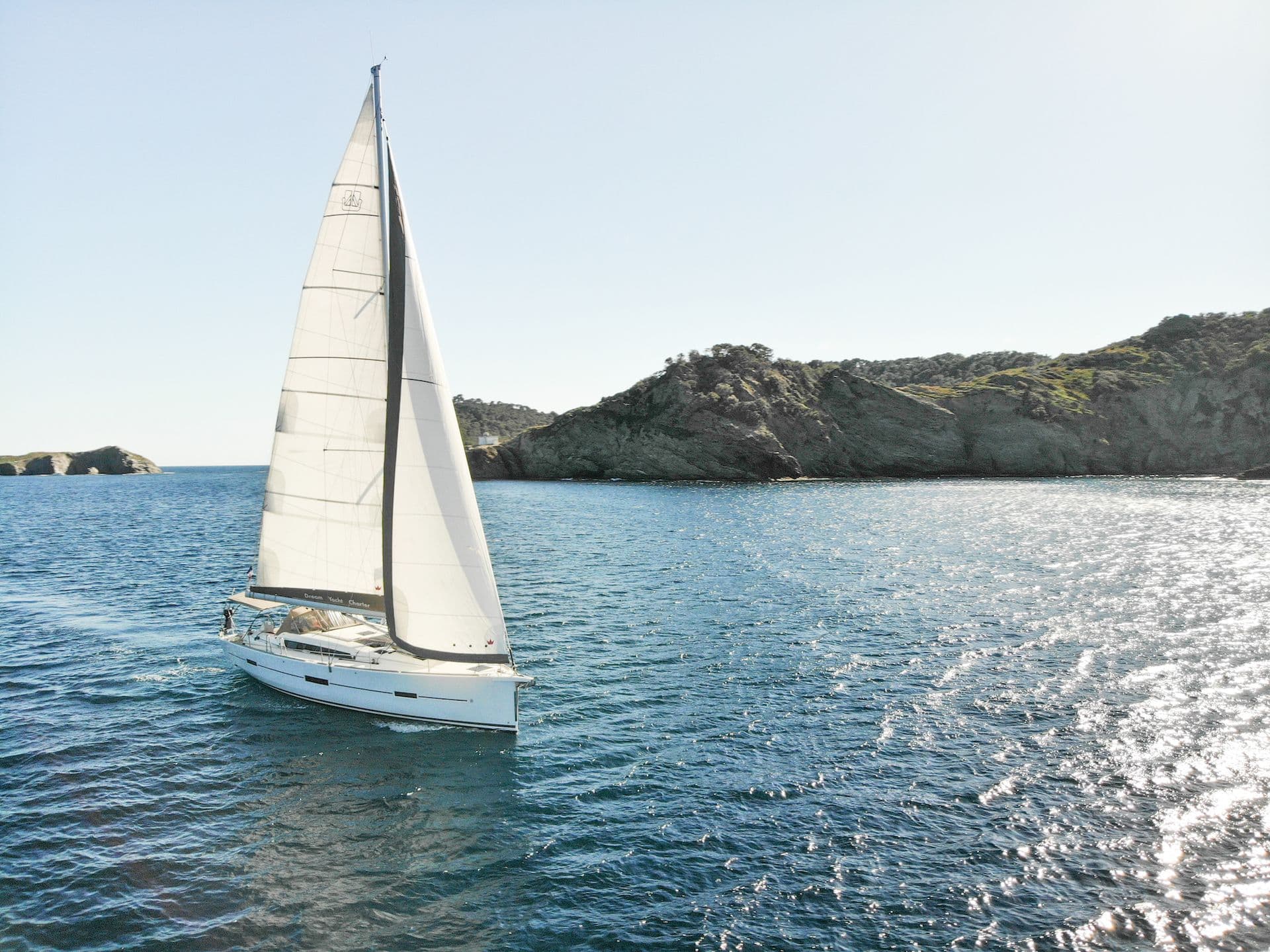
What is a Damage Deposit?
When you charter a bareboat yacht, the charter company will normally require a security (damage) deposit. This deposit is held at the base to cover any accidental damage or loss to the boat or its equipment. It's very important to stress that the deposit is only taken as a pre-authorisation on a credit card - it is blocked, but not taken.
At Anchor we do not work with any companies that take this as a payment, and you should be very wary if you ever encounter this.
Essentially, if you or your crew cause any damage during the trip, you are liable up to the value of that deposit.
In practice, charter deposits can be substantial – often €2,000–4,000 or more for popular 40–50ft sailing yachts in Europe – and are refunded in full after a damage-free return.
Coverage Options
There are two basic insurance options to reduce your liability so that you're not up all night worrying:
- A Yacht Damage Waiver, usually agreed directly with the charter yacht owner or operator, or
- A Deposit Insurance policy, taken out with a specialist insurance company like Sailogy (ex-EIS), Yacht-Pool or Topsail Insurance.
A Yacht Damage Waiver (sometimes simply “damage waiver”) or deposit insurance essentially swaps the large refundable deposit for a smaller non-refundable fee. You pay the fee in advance, and in return the charter company limits your on-site deposit (or even requires none) while still covering any repairs.
If any damage occurs, the insurance pays the charter company instead of you losing (all of) your deposit.
Note that Yacht charter insurance is not travel insurance, and only covers the very specific conditions of a yacht charter. It may help to think of it like car hire insurance.
For example, Pitter Yachtcharter in Croatia strongly recommends its Deposit Waiver: for a fixed premium (depending on boat size), you “eliminate the need to leave a deposit on-site”. Their waiver covers “damages to the yacht, sails (main sail & Genoa), and dinghy with outboard motor”, while excluding items like spinnakers, outboard motors (if improperly stored), and certain wear-and-tear. Pitter’s waiver rates are quite modest: about €200 for a monohull up to 40ft, €250 for 41–49ft, and €350 for 50ft+ (in Croatian bases). By contrast, the standard on-site deposit at those bases is typically €2,000–€4,000. With the waiver, you pay only ~€250 up-front and keep your deposit in your bank.
Other charter operators have their own terms.
Yacht Damage Waiver
- Arranged directly with the charter company.
- You pay a non-refundable fee, replacing or reducing the traditional deposit.
- If damage occurs, the insurance pays the charter company—your maximum loss is limited to this smaller fee.
Deposit Insurance
- Taken with specialist insurers (e.g., Sailogy, Yacht-Pool, Topsail).
- You pay an insurance premium (typically 7–15% of the deposit amount).
- You still leave a pre-authorisation on the full deposit amount. If your deposit is withheld after damage, the insurer reimburses you.
- Note: Yacht charter insurance is not travel insurance. It only covers specific yacht charter risks, similar to car hire insurance.
Companies like Yacht-Pool or Sealogy insure your deposit for a small premium. For a €2,000 deposit, expect a €200 premium (10%). If damage occured and the yacht’s operator kept, say, €1,000 after damage, your insurer would reimburse you that €1,000. You only pay the modest insurance fee, not the full lost amount.
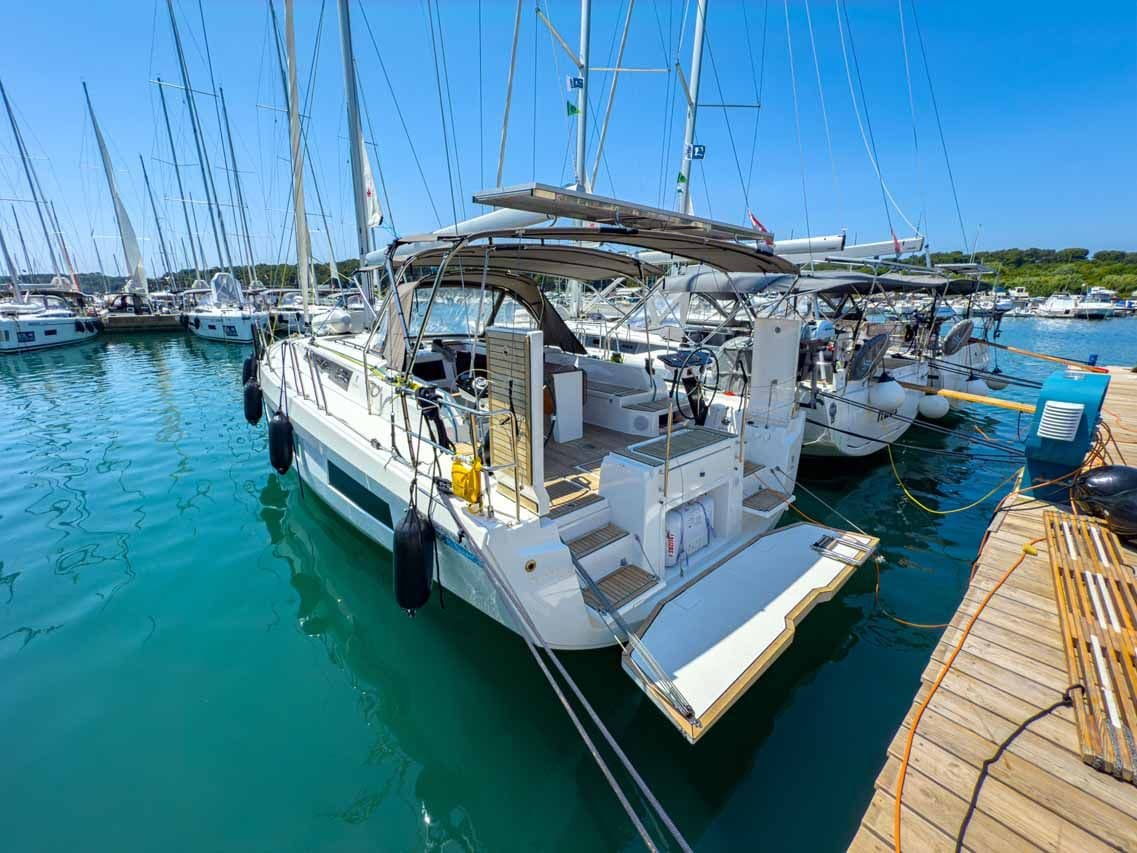
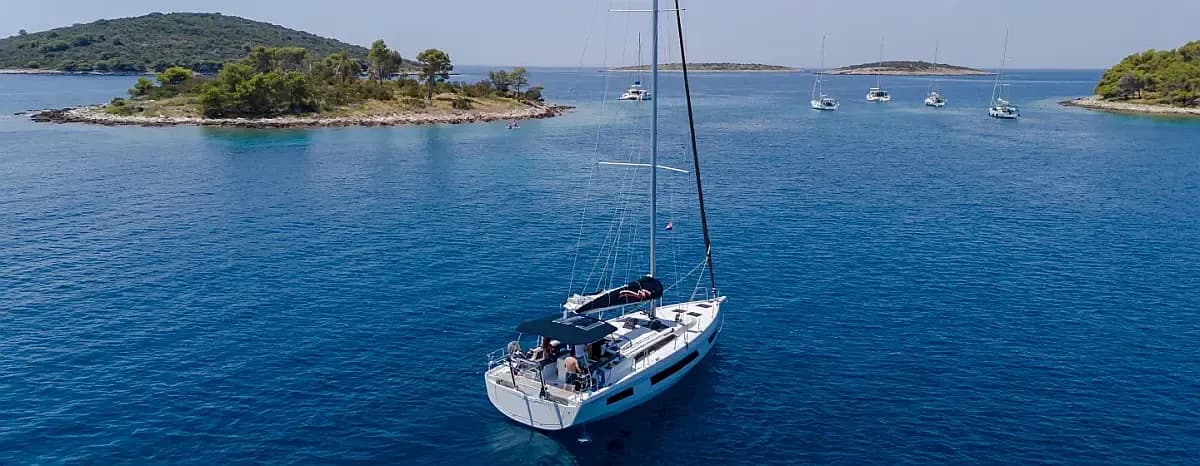
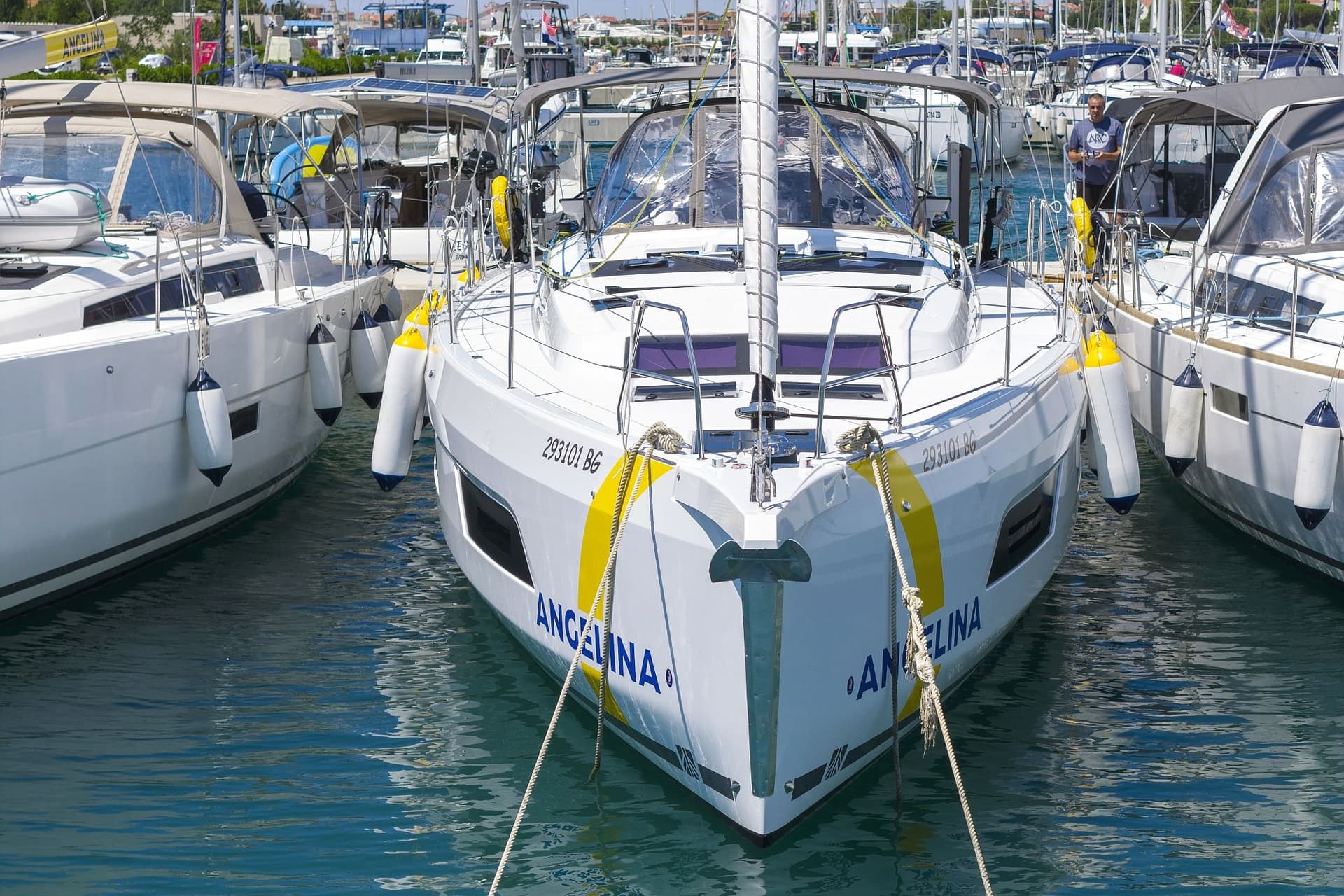
Operator options


Do I need it?
Why Insurance Matters
Without insurance, the full deposit is at risk. Even a small scrape can lead to costly repairs and withholding of your deposit. Insurance or waiver means you trade that uncertainty for a known fee. Many responsible skippers take it to relieve your crew and yourself of any worries. It lets you focus on sailing, knowing repairs will be handled by the insurer or waiver provider.
We suggest insuring your damage deposit, and we prefer third-party solutions, because they are truly impartial, and often better value and better coverage.
Ultimately, it is down to you as the skipper and your individual appetite for risk. We have clients who never take the damage waiver options, and others who would never sail without them. Either way, we always advise you to sail if though you were not insured - this should help you guard against taking unnecessary risks!
Our Recommendations
Always read the fine print: Some waivers and policies exclude specific damage (e.g., sails, dinghies, gross negligence).
We recommend third-party deposit insurance, as it is impartial and often more cost-effective.
Your choice depends on your personal risk tolerance. Many experienced skippers opt for insurance to safeguard their deposit and reduce liability hassle.
Always sail as if uninsured—avoid unnecessary risks regardless of your cover.
Still have questions? Our team can help you review charter terms or compare deposit options for your next trip.
Need some help?
If you are unsure about charter or boat selection, contact us at Anchor to help you decide.
We only choose boats that are in excellent condition, and we are here to help you every step of the way and to make sure the whole process is as easy as possible.